Why You Must Test Your Heat Pump Reversing Valve Before Winter
O'Dell's Heating & Cooling • September 8, 2026
Your dual-mode climate control system relies on a single mechanical valve to switch from blowing cold air to blowing warm air. If that component sticks or fails, your home will stay freezing cold no matter how high you crank the thermostat. At O'Dell's Heating & Cooling, we deal with frantic calls every single autumn from families who never tested their equipment. Catching a stuck valve early is the only way to avoid emergency heat pump repair Knoxville residents dread.
The window to test your equipment safely is closing fast as the cooler weather approaches. Waiting until the first major frost puts you at the mercy of fully booked repair schedules. We designed this rapid action plan to help you verify your system functionality right now.
In This Article
- Stage 1: Assess
- Stage 2: Schedule
- Stage 3: Protect
- Frequently Asked Questions
Stage 1: Assess
You must physically force your system to change operating modes while the weather is still relatively mild. This simple test confirms if the mechanical components are actually shifting internally.
- Thermostat Adjustment: Switch your thermostat from cooling to heating mode and raise the set temperature three degrees above the current room temperature.
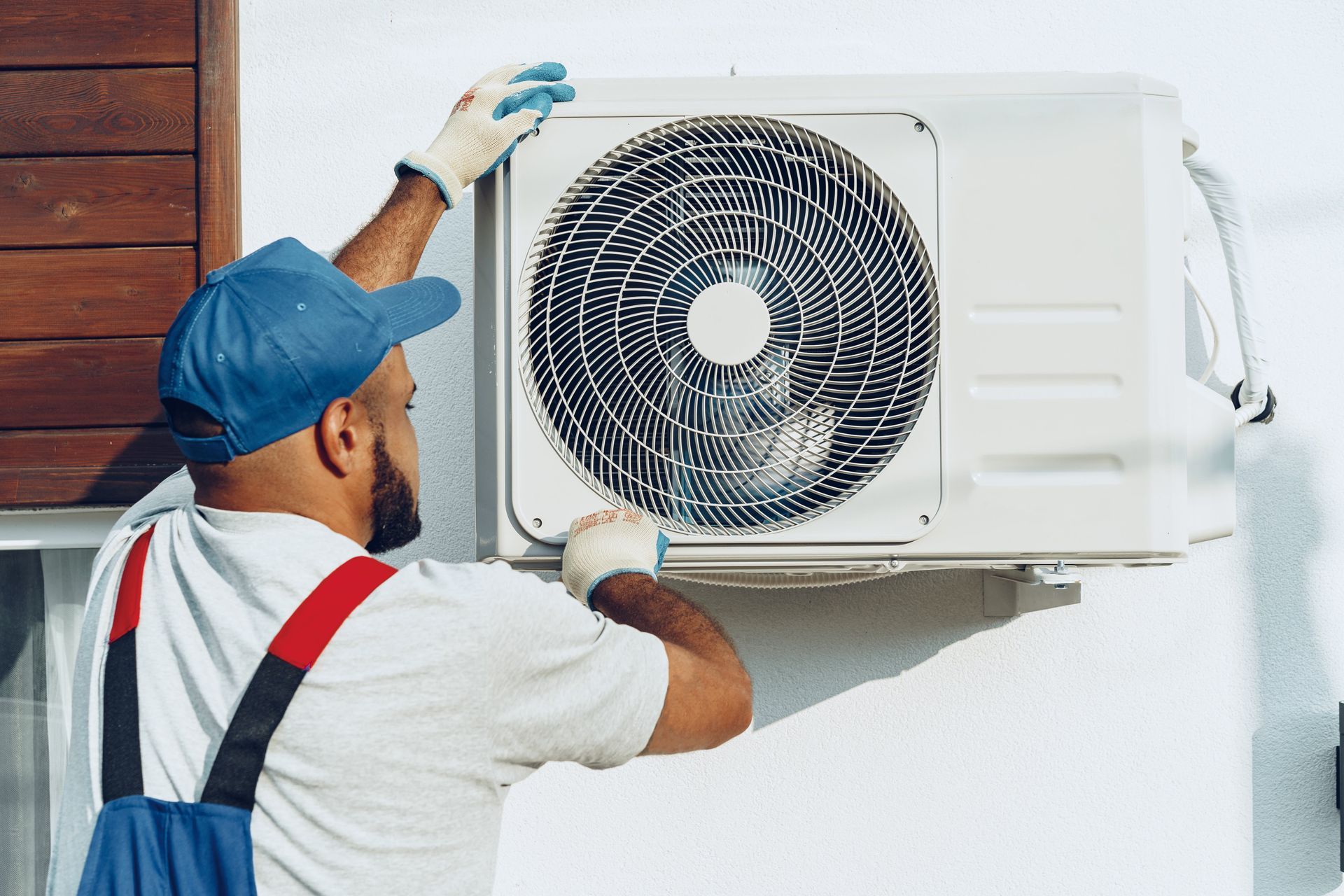
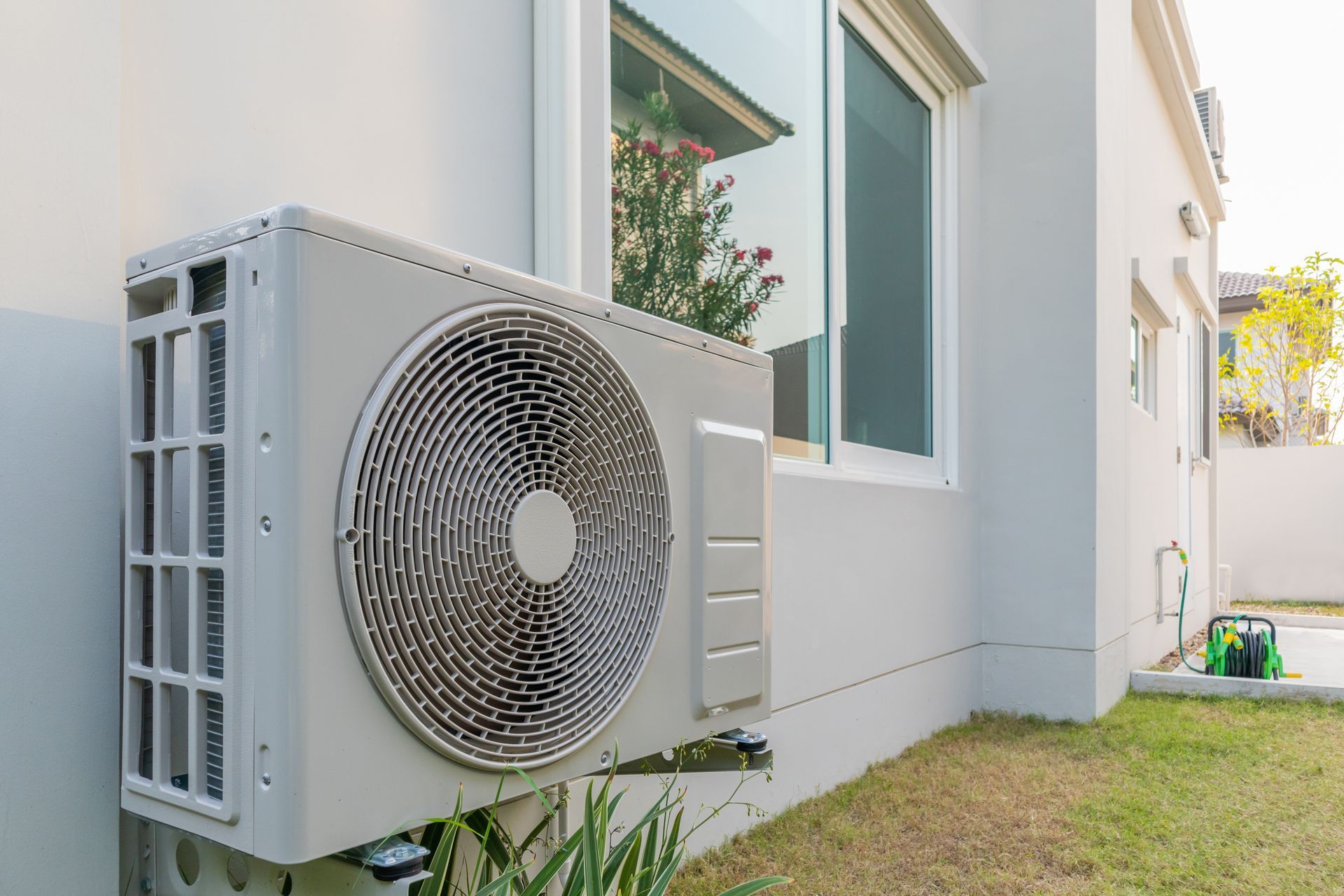
- Auditory Check: Stand near your outdoor unit and listen for a distinct whoosh sound, which indicates the internal valve is successfully reversing the refrigerant flow.
- Vent Verification: Go back inside and place your hand over a supply register to confirm the air blowing out is noticeably warm within five minutes.
Stage 2: Schedule
If your vents are blowing cold air while the thermostat is set to heat, you need to bring in a professional immediately. Local technicians book up rapidly the moment the seasonal temperatures finally drop.
- Urgent Booking: Call your local HVAC provider the same day you notice the heating failure to secure an early slot on the service board.
- Detail the Symptoms: Tell the dispatcher exactly what happened during your test so the technician arrives with the right diagnostic tools.
- Check Warranties: Gather your installation paperwork to see if the faulty component is still covered under the original manufacturer warranty.
This is something clients notice firsthand when they need fast and honest mechanical solutions.
► Client Experience: "This is a great company. I have needed them several times and it’s been a good experience each time. They tell you what they are doing and if it’s a small fix, like it was last time, the price is very very fair. They don’t do the flashy fake professionalism that is really just pricey showmanship. They come and they fix your unit."
Getting straight to the root of the mechanical failure is exactly what Erik Ryberg appreciated about our approach.
Stage 3: Protect
While you wait for your scheduled repair, you need to protect your home and your equipment from further damage. Forcing a broken system to keep running will only create more expensive problems.
- System Shutdown: Turn the thermostat completely off to prevent the compressor from overheating while it tries to push refrigerant through a stuck valve.
- Backup Heating: Utilize safe space heaters or a secondary fireplace to keep your main living areas comfortable, especially if you live in older Farragut neighborhoods.
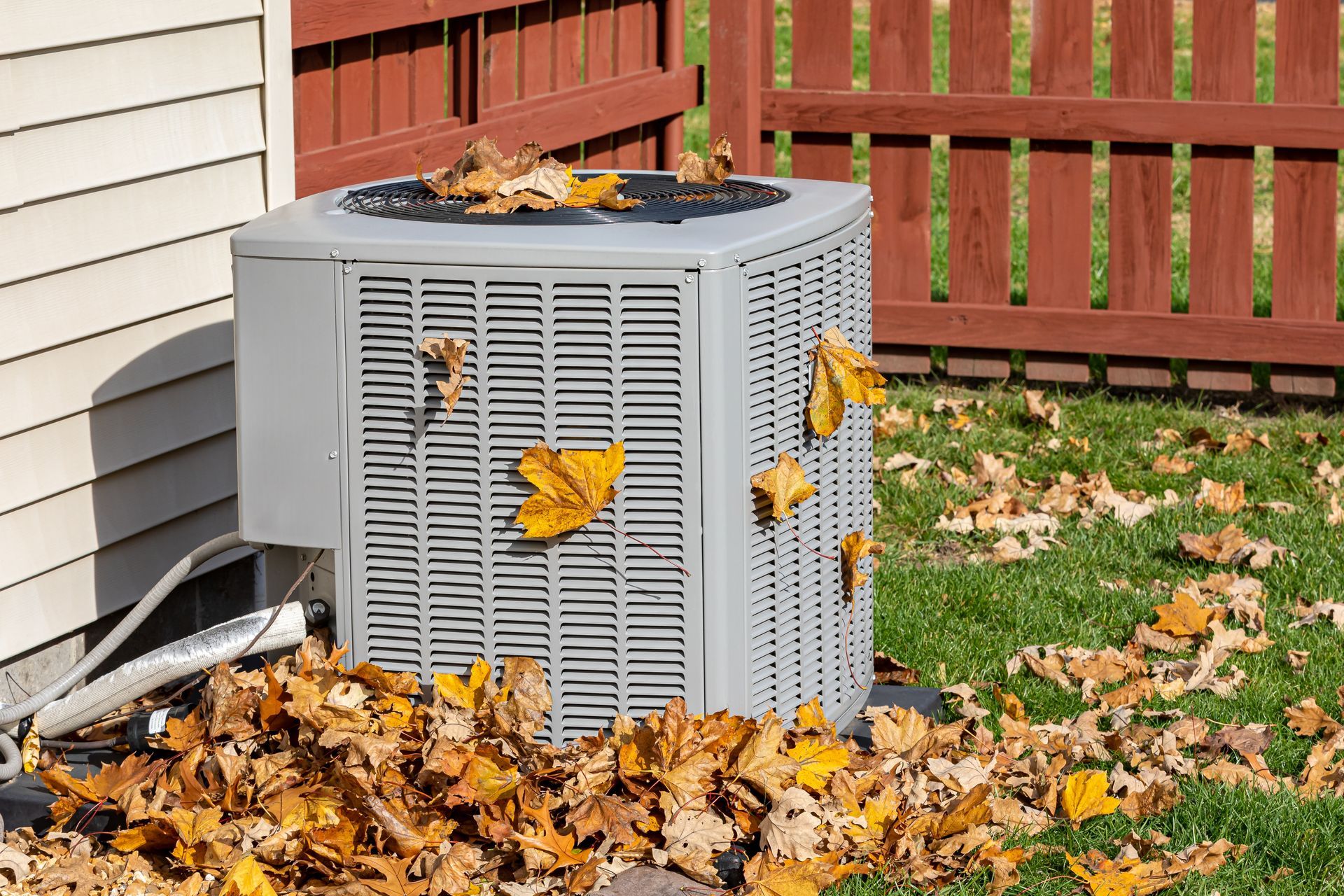
- Clear the Area: Ensure the outdoor unit is free of leaves and debris so the technician has immediate access to open the cabinet upon arrival.
► Testing your system today is critical because ordering a replacement valve during a peak winter freeze can leave you without heat for a week or more.
Frequently Asked Questions
What happens when a reversing valve fails?
When this specific component fails, the internal sliding mechanism gets physically stuck in one position. Your system will continue to run, but it will be permanently locked in either cooling mode or heating mode. The compressor will still pump refrigerant, but the flow direction cannot be altered to match what you are requesting on the thermostat.
Can a heat pump work in AC but not heat?
Yes, this is the most common symptom of a bad reversing valve or a failed solenoid coil. The system defaults to cooling mode for safety reasons in many models. If the electrical coil that tells the valve to shift burns out, the unit will happily blow ice cold air but will refuse to produce any warmth.
How much does it cost to replace a reversing valve?
This is a highly labor intensive repair that requires recovering the existing refrigerant and unbrazing the old copper connections. Because the technician must weld a new valve into place and recharge the system, it is considered a major repair. Prices vary heavily based on the size of your unit and the current cost of refrigerant.
Secure Your Winter Warmth Now
Do not let a hidden mechanical failure catch you off guard on the coldest night of the year. Following these assessment stages today puts you in total control of your home comfort. Go to your thermostat right now and run a quick heating test to ensure your family stays warm. If you notice any issues or need professional assistance, contact us today—we’re here to help keep your home cozy all winter long!
Share This Blog