Fixing Undersized Gas Pipes When Upgrading Your Knoxville Home
O'Dell's Heating & Cooling • September 16, 2026
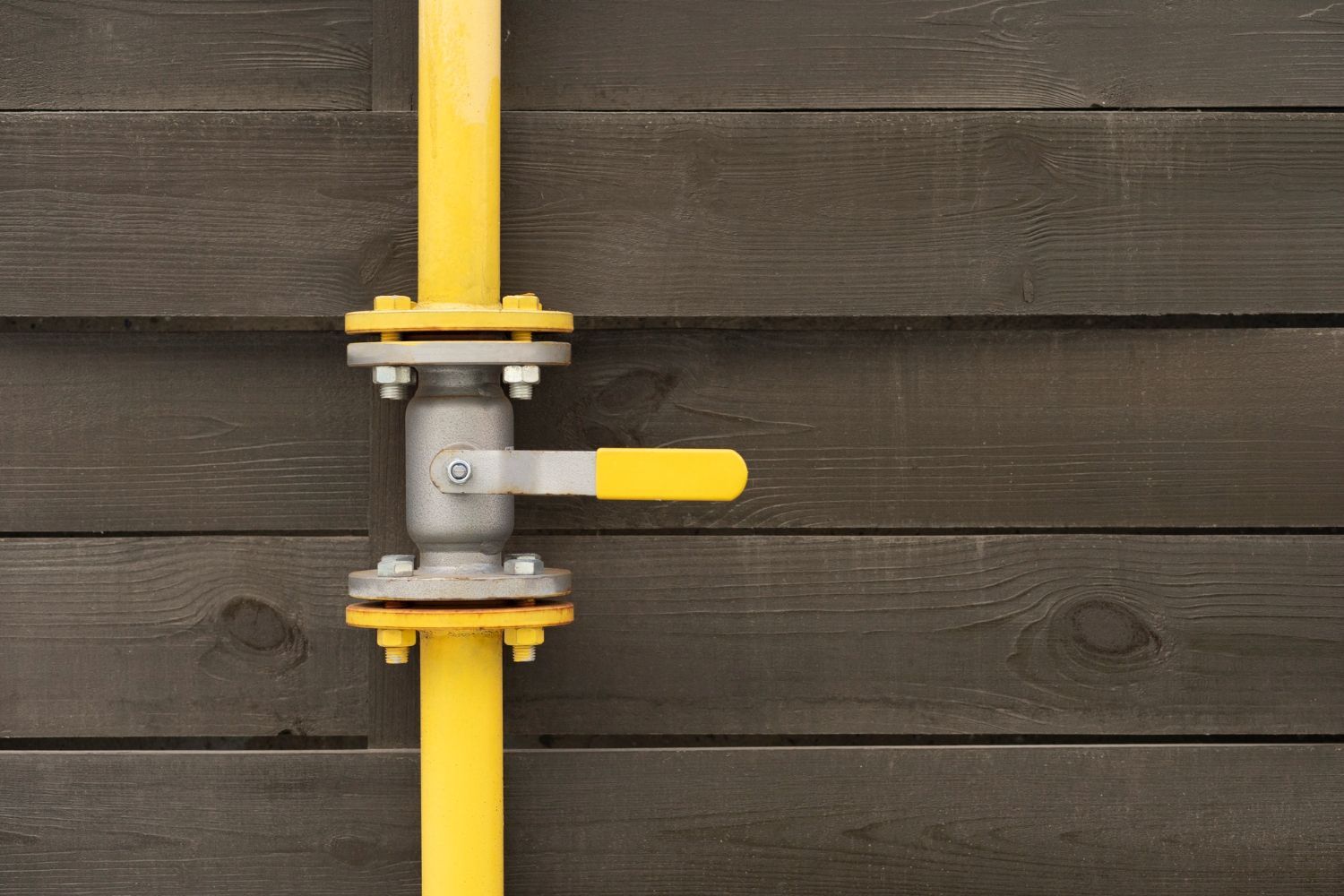
Adding a modern furnace or a high output fireplace to your home is an exciting upgrade that brings serious warmth to your living space. However, new appliances demand a massive volume of fuel to operate correctly. At O'Dell's Heating & Cooling, we regularly see beautiful new equipment failing because the existing pipes cannot supply enough energy. When you plan a major renovation, securing proper gas pipe installation Knoxville inspectors will approve is your top priority.
Hooking up a massive new furnace to an old half inch line is a recipe for constant equipment lockouts. Modern burners require a precise and steady flow of fuel to maintain combustion. We want to help you understand why proper sizing is critical for your safety and how we diagnose starved appliances to get your home heating properly.
What We Cover In This Article
- Recognizing Starved Appliances
- How do I know if my gas line is big enough?
- The Danger of Pressure Drops
- Why DIY Gas Upgrades End in Disaster
- The Professional Pipe Sizing Process
Recognizing Starved Appliances
When a new heating unit lacks the necessary fuel volume, it will exhibit strange behaviors that often mimic an electrical failure. You might hear the appliance ignite briefly only to shut down seconds later. This happens because the burner consumes the small pocket of available fuel and immediately senses a drop in line pressure. The internal safety switches trigger a lockout to prevent unburned fuel from pooling inside the combustion chamber.
→ From a professional standpoint: A furnace that rumbles loudly or vibrates during ignition is often struggling with a lean fuel mixture caused by restricted pipes.
How do I know if my gas line is big enough?
Determining the correct size requires calculating the total British Thermal Unit demand of every single appliance connected to your meter. You must add up the requirements for your furnace, water heater, stove, and fireplace. A professional matches that total load against the distance the pipe must travel from the meter to the furthest appliance. If the existing pipe diameter cannot deliver that total volume over that specific distance, the line is officially undersized.
The Danger of Pressure Drops
An undersized system does not just affect the newest appliance you installed. If your main trunk line is too small, turning on your new furnace might literally pull fuel away from your water heater. This starves multiple burners simultaneously and creates a very dangerous situation where pilot lights can blow out. Unburned fuel can then slowly leak into your basement or crawlspace if the older appliances lack modern safety shutoffs.
→ A quick tip to remember: If your stove flames visibly shrink when your central heating kicks on, your main supply pipe is severely restricted.
It is a pattern the team at O'Dell's Heating & Cooling hears regularly when property owners attempt major upgrades without professional guidance.
Why DIY Gas Upgrades End in Disaster
Working with combustible fuel lines is never a weekend project for an amateur. Many homeowners attempt to run flexible copper or corrugated stainless tubing without understanding local building codes. Using the wrong fittings or failing to secure the lines properly creates invisible leaks behind drywall. Furthermore, DIY installers rarely possess the highly sensitive digital manometers required to perform a mandatory pressure drop test before turning the main valve back on.
→ From a professional standpoint: Even a microscopic thread leak on a black iron pipe joint will slowly fill a sealed utility closet with explosive fumes over a few weeks.
The Professional Pipe Sizing Process
Our technicians approach fuel lines with strict mathematical calculations based on the National Fuel Gas Code. We measure the exact length of every pipe run in your Powell home and count every elbow and tee fitting. Each bend in the pipe creates friction that reduces fuel pressure. Once we calculate the total resistance, we install the correct diameter black iron or approved flexible piping to guarantee every burner receives steady fuel under all operating conditions.
→ A quick tip to remember: Upgrading your main trunk line to a one inch diameter pipe is often the most cost effective way to support future appliance additions.
Power Your Upgrades Safely
Protecting your family means ensuring every burner in your home operates with a flawless fuel supply. Do not risk your expensive new equipment or your safety by relying on outdated plumbing. Contact our experts today to calculate your total load and upgrade your lines the right way.
Share This Blog