3 Rules for Attic Ventilation to Prevent Winter Roof Rot in TN
O'Dell's Heating & Cooling • September 22, 2026
The air trapped inside your attic space has a massive impact on the structural health of your home. When winter weather arrives, the stark difference between your warm living areas and the freezing outdoor temperatures creates a perfect storm for condensation. At O'Dell's Heating & Cooling, we see the devastating effects of trapped moisture on residential properties every single year. Securing top quality roof ventilation systems Knoxville homes require is your best defense against hidden winter damage.
Many homeowners incorrectly assume that sealing their attic tight will keep their house warmer. In reality, trapping that stagnant air forces moisture directly into your wooden roof decking. We want to share the professional trade secrets for maintaining a healthy and dry upper structure. Following these guidelines will protect your property from expensive rot and dangerous biological growth.
What We Cover In This Guide
- Tip #1: Balance Your Intake and Exhaust
- Tip #2: Check for Bathroom Vent Terminations
- Tip #3: Monitor Frost on Roofing Nails
- Frequently Asked Questions
Tip #1: Balance Your Intake and Exhaust
A proper ventilation setup requires fresh air to flow continuously from the bottom of the roof to the top peak. If your system is unbalanced, the air will stagnate and hold onto damaging moisture.
- Soffit Checks: Ensure your lower soffit vents are completely clear of insulation so fresh, cold air can easily enter the space.
- Ridge Vents: Confirm that your upper ridge or box vents are unobstructed by debris or heavy snowpack.
- Avoid Mixing: Never mix a motorized power fan with passive ridge vents, as the fan will simply pull rain and snow backward through the upper vents.
Tip #2: Check for Bathroom Vent Terminations
One of the most destructive mistakes we see is warm, moist air being intentionally pumped directly into a cold attic. Your daily habits might be actively rotting your own roof.
- Exhaust Routing: Verify that every bathroom exhaust fan is piped completely through the roof or out a side wall.
- Dryer Vents: Ensure your clothes dryer is never venting its massive volume of hot steam anywhere near the attic space.
- Insulation Checks: Look for dark, moldy spots on the fiberglass insulation directly above your bathroom ceilings, which indicates an active moisture leak.
This is something clients notice firsthand when we correct critical airflow issues and restore peace of mind.
► Client Experience: "Great on time service and friendly people."
Providing prompt and reliable solutions for these hidden property dangers is exactly what Frank Phee experienced with our team.
Tip #3: Monitor Frost on Roofing Nails
You do not need specialized tools to spot a severe condensation problem in your upper structure. The framing materials inside a World's Fair Park area home will tell you exactly what is going wrong if you know where to look.
- Nail Inspection: Shine a flashlight on the exposed tips of the roofing nails poking through the plywood decking on a freezing morning.
- Frost Warning: If those nail tips are covered in white frost or dripping water, your humidity levels are dangerously high.
- Plywood Discoloration: Look for black streaks or delaminating wood panels, which proves that the frost has been melting and soaking into the decking for weeks.
Frequently Asked Questions
How do I know if my attic is poorly ventilated?
The most obvious sign of poor ventilation in the winter is the formation of large ice dams on your gutters. When warm air gets trapped at the top of your house, it melts the snow on the roof. That water runs down to the cold eaves and freezes solid. Inside the house, you might also notice a damp, musty smell coming from your upper floor closets.
Does roof ventilation help in the winter?
Absolutely. While ventilation is famous for keeping houses cool in the summer, its primary job in the winter is moisture management. Cold outside air is extremely dry. By allowing that dry air to wash through the attic, it carries away the warm, humid air that naturally rises from your heated living spaces. This prevents condensation from rotting your wood framing.
What is a heat recovery ventilation system?
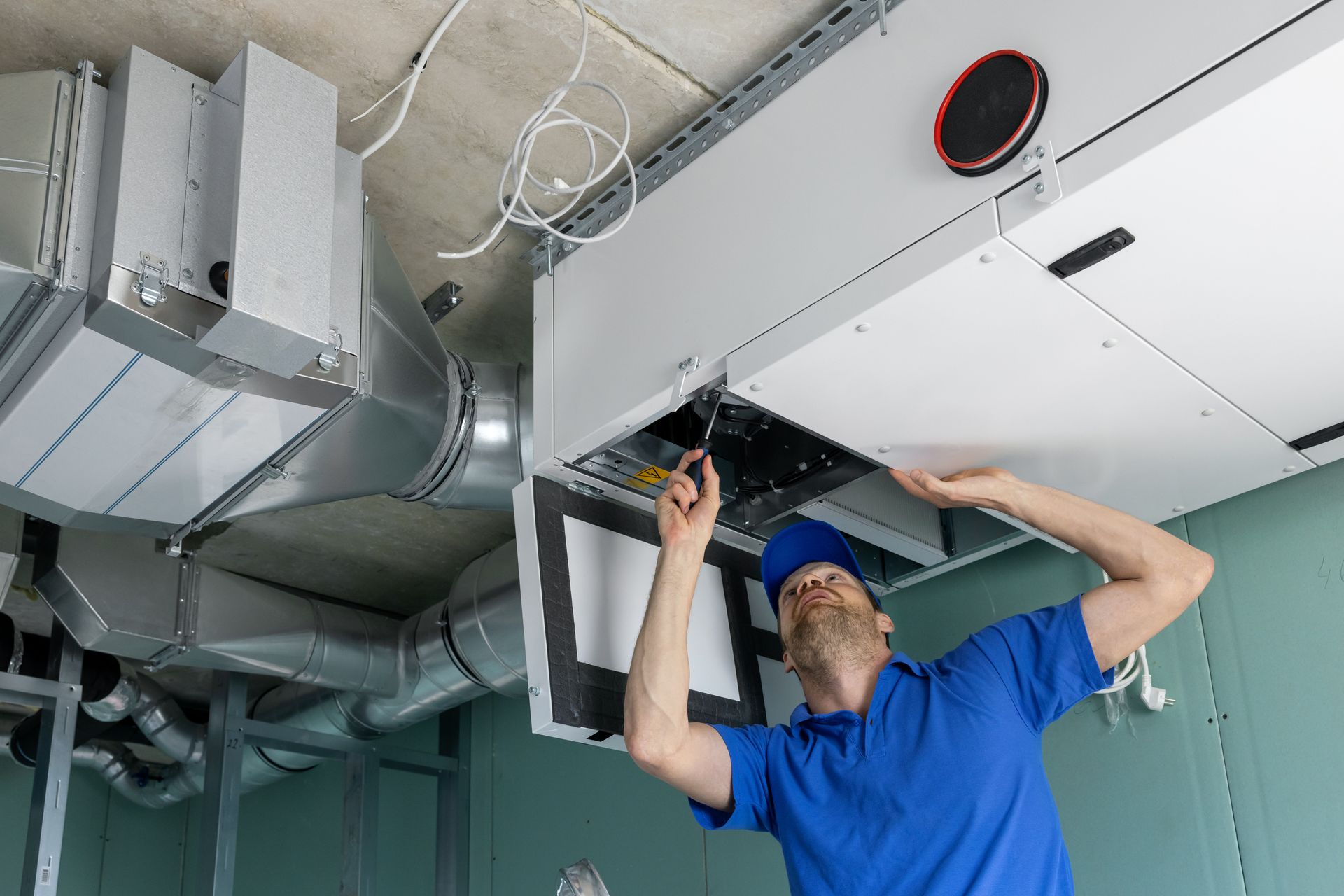
A heat recovery system is an advanced mechanical unit installed inside your home that swaps stale indoor air with fresh outdoor air. Before the warm indoor air is exhausted, it passes through a heat exchanger core that transfers its thermal energy to the incoming cold air. This drastically lowers your indoor humidity without causing your furnace to work overtime to heat the fresh air.
Guard Your Roof Against Winter Rot
Do not let trapped moisture silently destroy the structural integrity of your home. Checking your airflow balance and exhaust pipes today will save you from a massive roofing bill this spring. Reach out to our team to evaluate your ventilation strategy and keep your property bone dry all season.
Share This Blog