How to Protect Your Outdoor Residential HVAC Unit From Fall Debris
O'Dell's Heating & Cooling • October 20, 2026
As the leaves drop across East Tennessee your outdoor heating and cooling equipment faces a barrage of airborne yard waste. At O'Dell's Heating & Cooling we see countless systems fail every winter simply because they were choked by wet debris. Implementing a solid routine for your residential HVAC services Knoxville properties need is the best way to protect the machinery. Spending a few minutes outdoors right now prevents a costly service call when the temperature plummets.
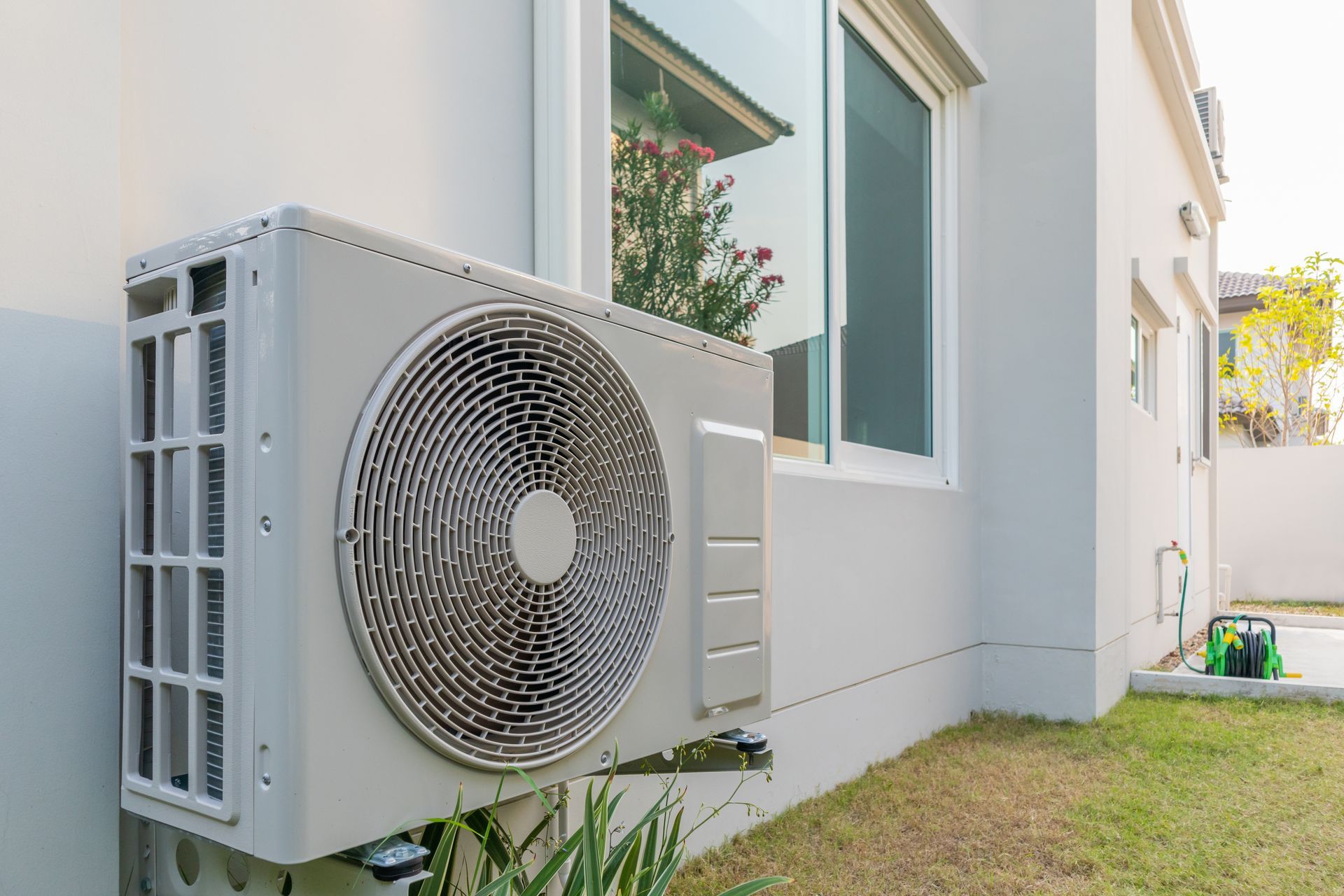
Your heat pump or air conditioner requires massive amounts of unobstructed airflow to function correctly. When leaves, pine needles, and dirt clog the exterior coils the internal compressor has to work twice as hard. We want to provide you with the exact maintenance habits needed to keep your equipment breathing easily. Following this simple guide will extend the life of your investment and keep your utility bills low.
What We Cover In This Guide:
- Immediate Fall Yard Aftercare
- Ongoing Airflow Maintenance Habits
- Common Mistakes That Choke Your Compressor
- Should I cover my outdoor AC unit in the fall?
Immediate Fall Yard Aftercare
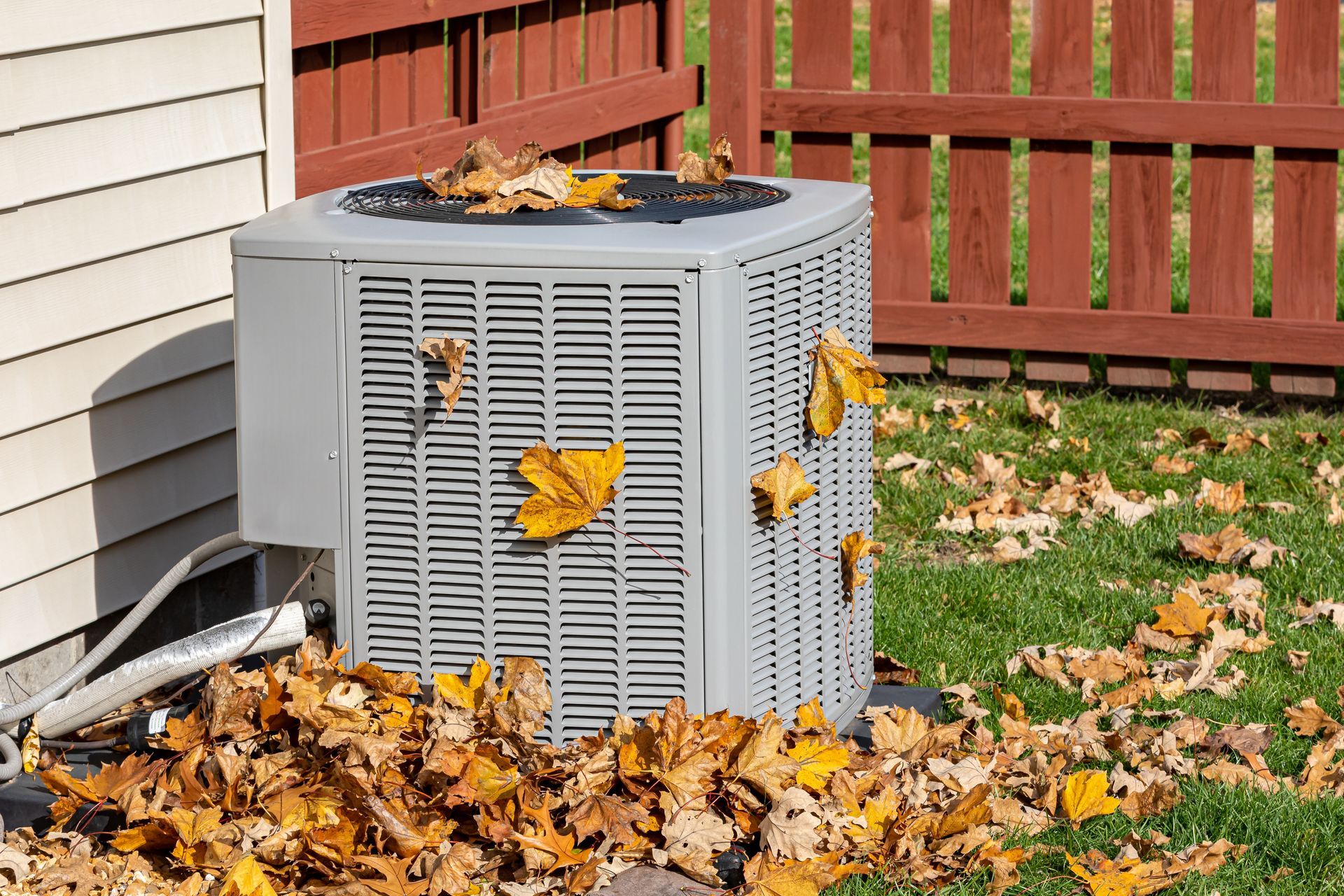
The period right after the major autumn leaf drop is critical for your outdoor unit. Taking action immediately prevents wet organic matter from rotting directly against the metal cabinet.
- Rake the perimeter: Clear all fallen leaves and heavy brush at least two feet away from the base of the outdoor compressor.
- Clear the top grate: Brush off any pine needles or twigs resting on the fan guard to prevent them from falling onto the fan blades.
- Trim the bushes: Cut back any landscaping or ornamental grasses that grew too close to the unit during the rainy summer months.
Ongoing Airflow Maintenance Habits
Keeping the area clear is not a one time job. Properties near heavily wooded areas like Ijams Nature Center require constant vigilance to maintain proper airflow.
- Weekly visual checks: Walk past the unit every time you take out the trash to spot any newly accumulated debris.
- Gutter management: Clean the gutters directly above the HVAC unit to prevent heavy water and sludge from pouring into the fan motor during a storm.
- Monitor the coil fins: Look for dirt packed tightly between the delicate aluminum fins on the side of the unit and call a professional if they look clogged.
This is something clients notice firsthand when they commit to a routine maintenance schedule with our technicians.
► Client Experience: "I highly recommend O’dells heating and cooling. The technician was prompt, knowledgeable and pleasant. I’m now on a yearly contract for twice a year checkup."
Staying ahead of seasonal debris and system wear keeps everything running smoothly, which is exactly why ann thompson signed up for our yearly contract.
Common Mistakes That Choke Your Compressor
Most airflow issues are actually caused by homeowners trying to hide their equipment behind tight fences or heavy covers. Restricting the air movement forces the internal components to overheat and eventually fail.
- Building tight fences: Never build a solid privacy screen tightly around the unit because the fan needs space to pull fresh air through the coils.
- Stacking patio furniture: Do not lean old lawn chairs or stack bags of potting soil against the metal cabinet during your winter yard cleanup.
- Ignoring weird noises: If you hear a loud ticking sound it usually means a stick has dropped inside and is hitting the spinning fan blade.
► The single most important maintenance fact is that restricting the airflow around your outdoor unit causes the compressor motor to overheat and suffer permanent damage.
Should I cover my outdoor AC unit in the fall?
You should never wrap your outdoor unit in a tight plastic tarp. Wrapping the equipment traps ground moisture inside the cabinet which accelerates rust and creates a perfect winter home for mice who love to chew on electrical wires. The equipment is manufactured to withstand rain and snow perfectly fine without any cover. If you are worried about falling icicles you can place a piece of plywood resting solely on the top grate, leaving the side coils completely exposed.
Protecting Your Outdoor Investment
Maintaining a clean perimeter around your equipment is a simple task that yields massive financial benefits. By keeping the coils clear and the airflow strong your system will run efficiently through the harshest winter weather. Take a walk around your yard today to clear the brush and give our team a call for your seasonal tune up.
Share This Blog