Understanding the True Lifespan of Your Residential HVAC System
O'Dell's Heating & Cooling • July 21, 2026
Investing in a new heating and cooling system is one of the most significant financial commitments you will make for your property. At O’Dell’s Heating & Cooling, we know that as a homeowner in Knoxville or the surrounding communities, you naturally want to ensure this critical equipment lasts as long as possible. Understanding the true lifespan of your residential HVAC system helps you plan for the future, budget for replacements, and recognize when a simple repair is no longer the most cost-effective solution. While modern climate control systems—especially those maintained by the expert team at O’Dell’s Heating & Cooling—are built to be incredibly durable, they do not last forever. Let’s explore the timeline of your equipment and the key factors that determine its longevity.
Key Factors That Influence Your Equipment Lifespan
The lifespan of an HVAC system is not a single, set number. While the industry average is between fifteen and twenty years, several crucial variables can either extend or dramatically shorten this timeline.
Consider these primary factors that impact your system:
- Local Climate Conditions: East Tennessee experiences hot, humid summers and chilly winters, forcing your heat pump or air conditioner to work heavily year-round, which naturally accelerates wear and tear.
- Proper System Sizing: If your equipment is too small, it will run constantly. If it is too large, it will short-cycle. Both scenarios put immense, unnecessary strain on the compressor and blower motor.
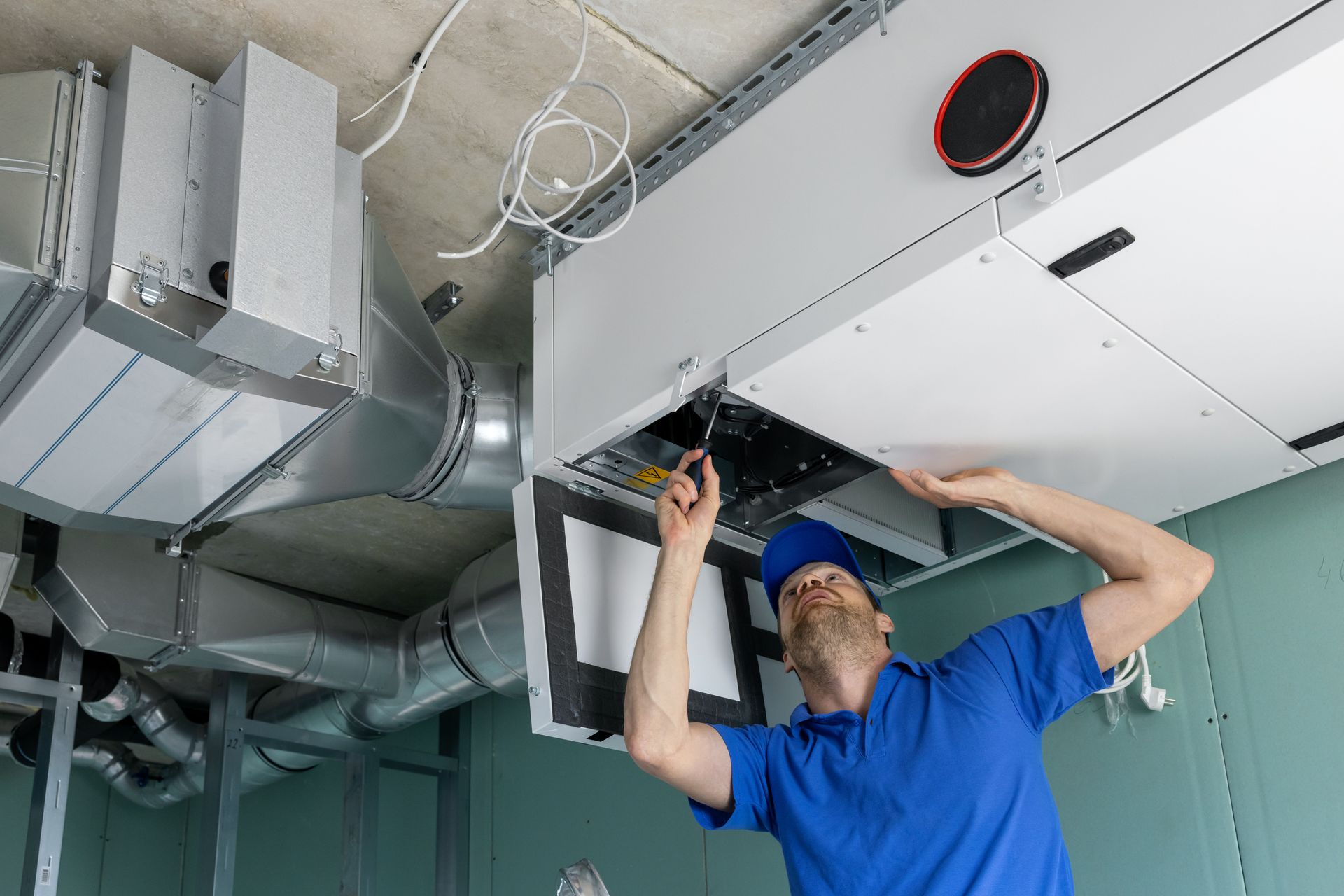
- Quality of Installation: A system installed correctly with flawlessly sealed ductwork will operate smoothly for decades, while a rushed, improper installation guarantees premature mechanical failure.
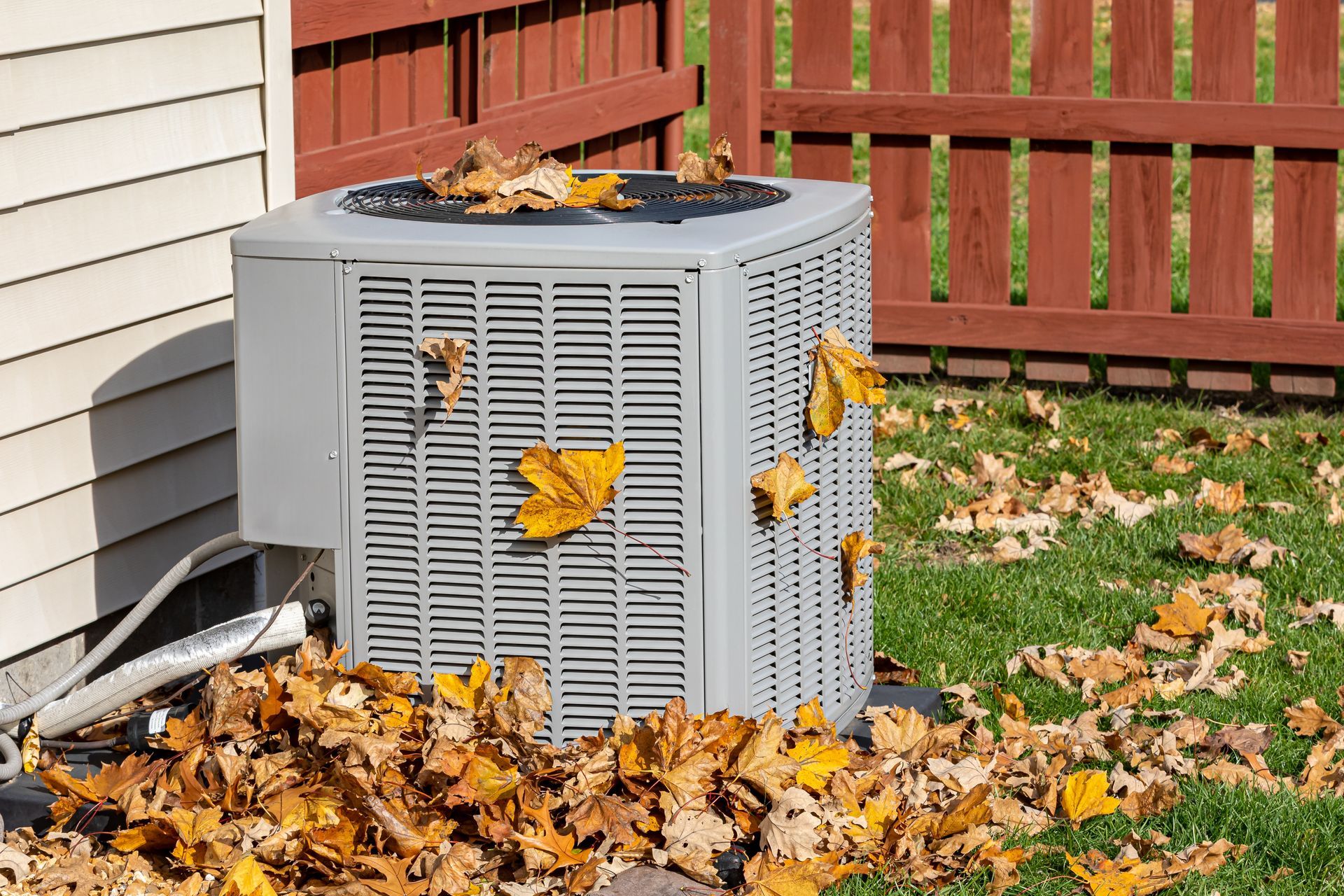
- Environmental Dust and Debris: Homes located near heavy construction, unpaved roads, or areas with high airborne dust levels will see filters clog faster, forcing the system to work harder to pull in air.
Warning Signs Your HVAC System is Nearing the End
Even with the absolute best care, mechanical components eventually degrade. Recognizing the signs of an aging system allows you to proactively plan for a replacement rather than suffering through a sudden, catastrophic breakdown during extreme weather.
Watch for these critical warning signs:
- A sudden, unexplained spike in your monthly utility bills, indicating that the system has lost its efficiency and is consuming excess power to cool or heat your home.
- The need for frequent, increasingly expensive repairs. If you are calling a technician multiple times a year, the cost of upkeep is likely outweighing the value of the equipment.
- Uneven temperatures throughout your house, where certain rooms are freezing while others are sweltering, signaling a failing compressor or degraded air pathways.
- Strange, loud noises such as grinding, squealing, or heavy banging, which almost always point to severe internal mechanical wear that cannot be easily reversed.
How to Maximize the Longevity of Your Equipment
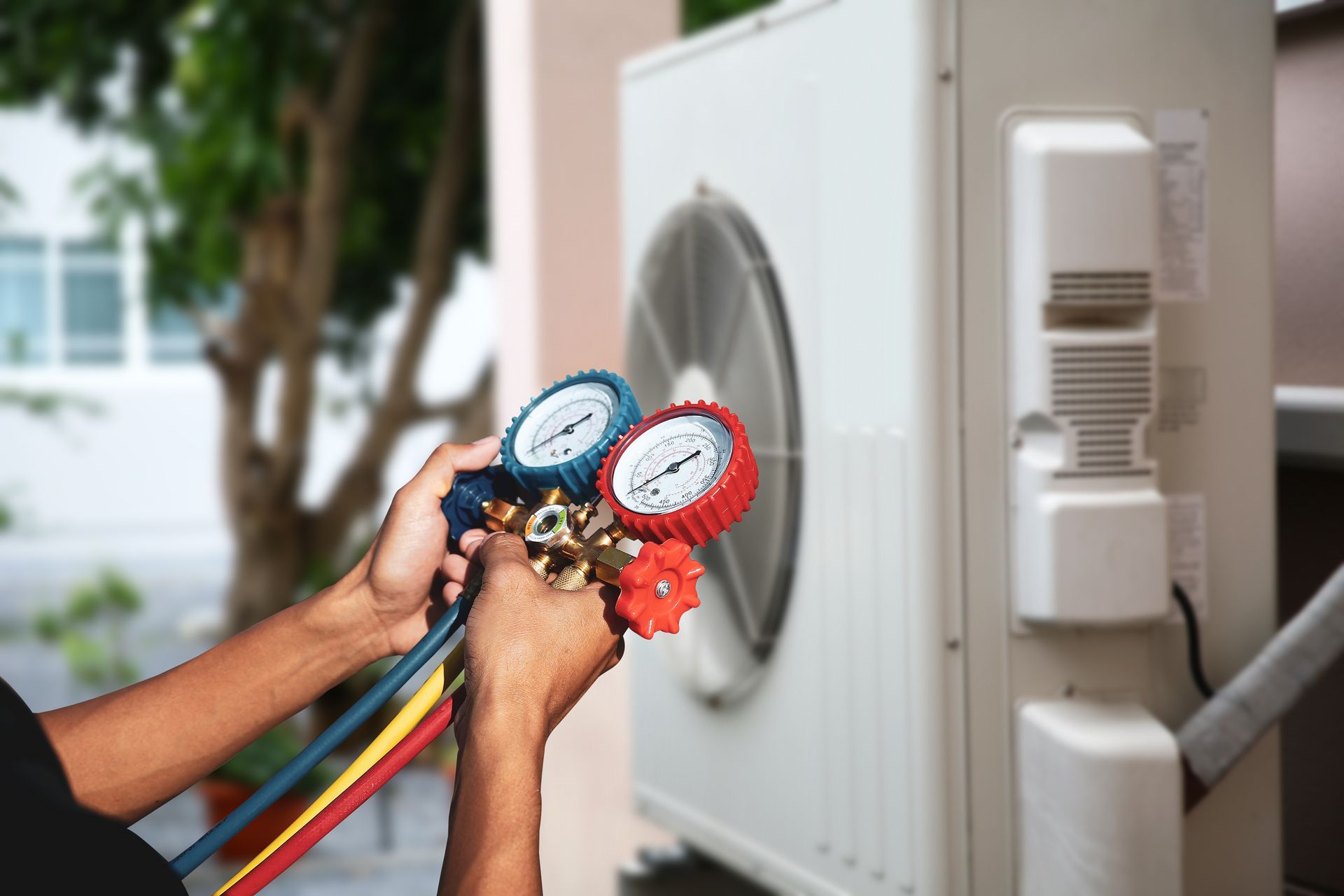
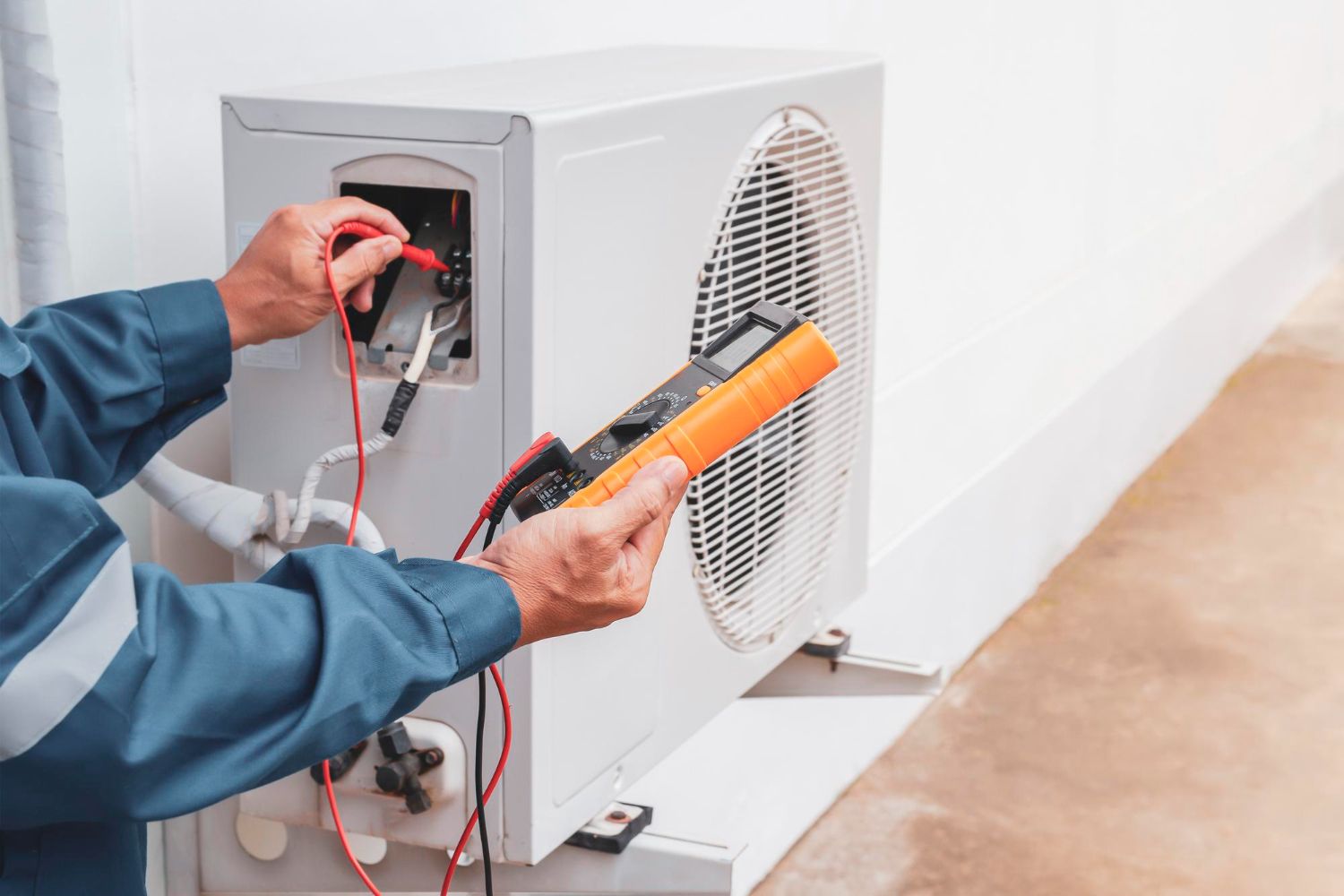
The good news is that you have a significant amount of control over how long your system survives. The most effective way to protect your investment is through proactive, professional care. Regular maintenance acts as a time machine for your equipment, reversing the daily wear and tear and restoring factory efficiency. By scheduling bi-annual tune-ups—once in the spring for your cooling system and once in the fall for your heating system—you ensure that all moving parts are lubricated, electrical connections are secure, and coils are free of suffocating debris. Additionally, simply changing your indoor air filter every thirty to ninety days prevents airflow restriction, which is the leading cause of premature blower motor failure.
Frequently Asked Questions
Question: What is the average lifespan of a residential heat pump?
Answer: Because heat pumps provide both heating and cooling, they operate year-round. With proper maintenance, a high-quality heat pump in our region typically lasts between twelve and fifteen years.
Question: Should I replace my indoor and outdoor units at the same time?
Answer: Yes. Mixing an old, inefficient indoor air handler with a brand-new outdoor condenser severely restricts the performance of the new unit and can significantly shorten its lifespan.
Question: Does neglecting maintenance void my manufacturer warranty?
Answer: In most cases, yes. Leading HVAC manufacturers require proof of annual professional maintenance to honor parts warranties if a major component fails prematurely.
Plan Your HVAC Future with Confidence
Navigating the lifespan of your heating and cooling equipment does not have to be a guessing game. By paying attention to its performance and committing to routine care, you can enjoy reliable comfort for well over a decade. If your system is showing signs of its age, or if you simply want to extend its current lifespan through expert maintenance, O'Dell's Heating & Cooling is here to help. With over twenty years of experience serving our local communities, we provide the honest assessments and top-tier services you deserve.
Contact our veteran-founded team today to schedule an evaluation and keep your home perfectly comfortable for years to come.
Share This Blog